Oil to Gas Boiler Conversion: What Actually Changes in Your Basement
Modern Heating & A/C • November 18, 2026
Upgrading an old heating system brings a lot of questions about the potential disruption to your property. Modern Heating, & A/C helps homeowners across Western Massachusetts navigate the switch from heating oil to natural gas. Many people assume a fuel conversion means tearing out the entire heating system and starting from scratch. The reality of the process is much more focused on the mechanical equipment in your basement.
Moving away from an oil tank frees up space and changes how you pay for winter heating. The conversion process requires specific mechanical upgrades while leaving much of your existing infrastructure completely intact. Understanding exactly what parts of your home are affected helps you plan for the installation day. A fuel conversion is a straightforward mechanical swap when handled by experienced tradespeople.
Inside this article:
● Removing the outdated oil equipment
● Installing the new gas infrastructure
● Updating the exhaust venting system
● What stays the same in your living areas
Removing The Outdated Oil Equipment
People often wonder what happens when you convert an oil boiler to gas. The first step always involves safely decommissioning the old setup. Your existing oil boiler gets drained and disconnected from the water supply lines. The heavy cast iron unit is then dismantled and hauled away from the property.
The oil tank takes up significant square footage in a basement. A specialized crew will pump out any remaining sludge and cut the steel tank down for safe removal. Eliminating the tank instantly gives you back a large section of your basement floor. The copper oil lines that ran across the floor or ceiling are also stripped out completely.
Installing The New Gas Infrastructure
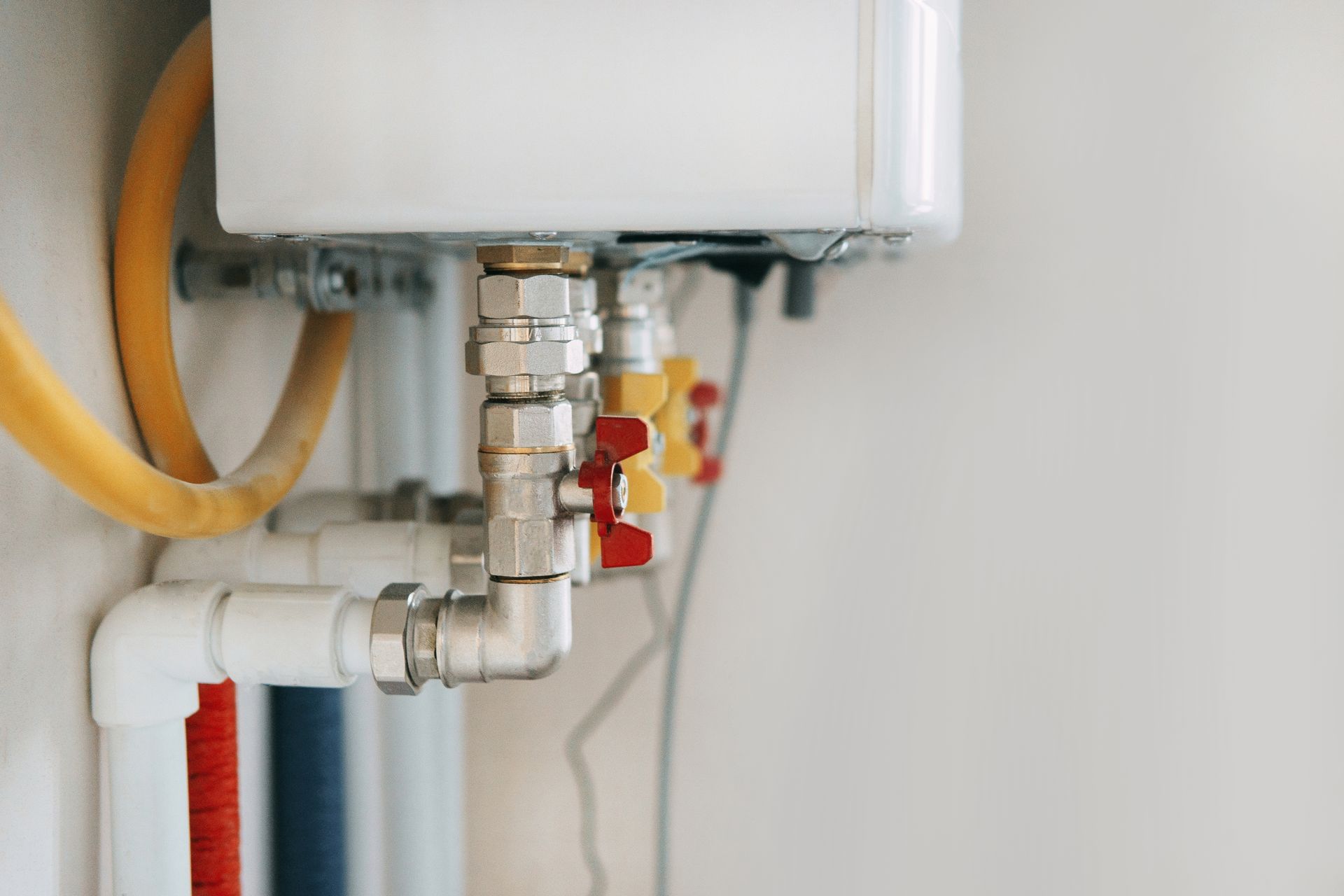
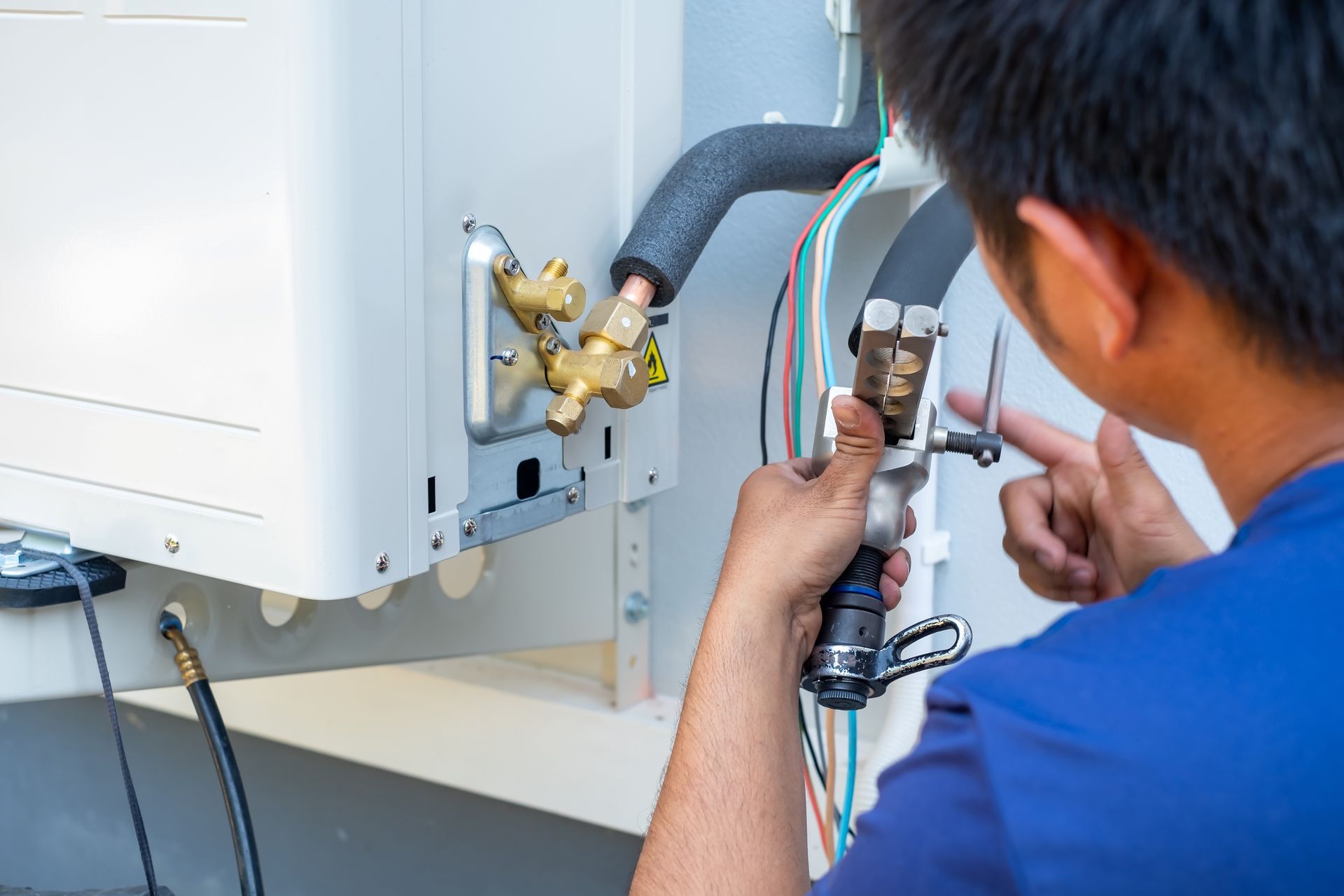
Once the old equipment is gone, the space is prepped for the new boiler system installation services. A new natural gas line must be piped from the gas meter directly to the new boiler location. This involves running black iron pipe securely along the basement ceiling to safely deliver the fuel.
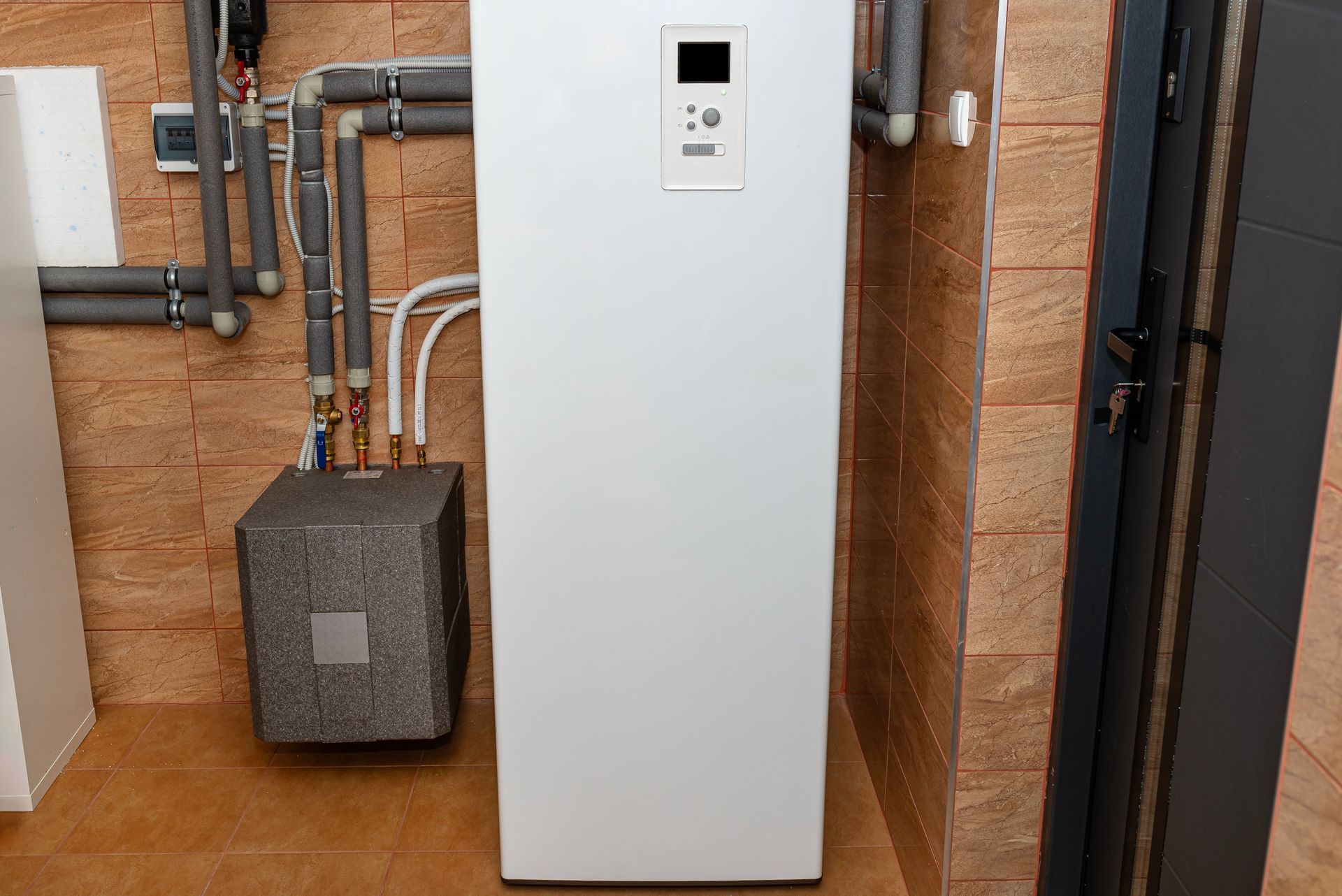
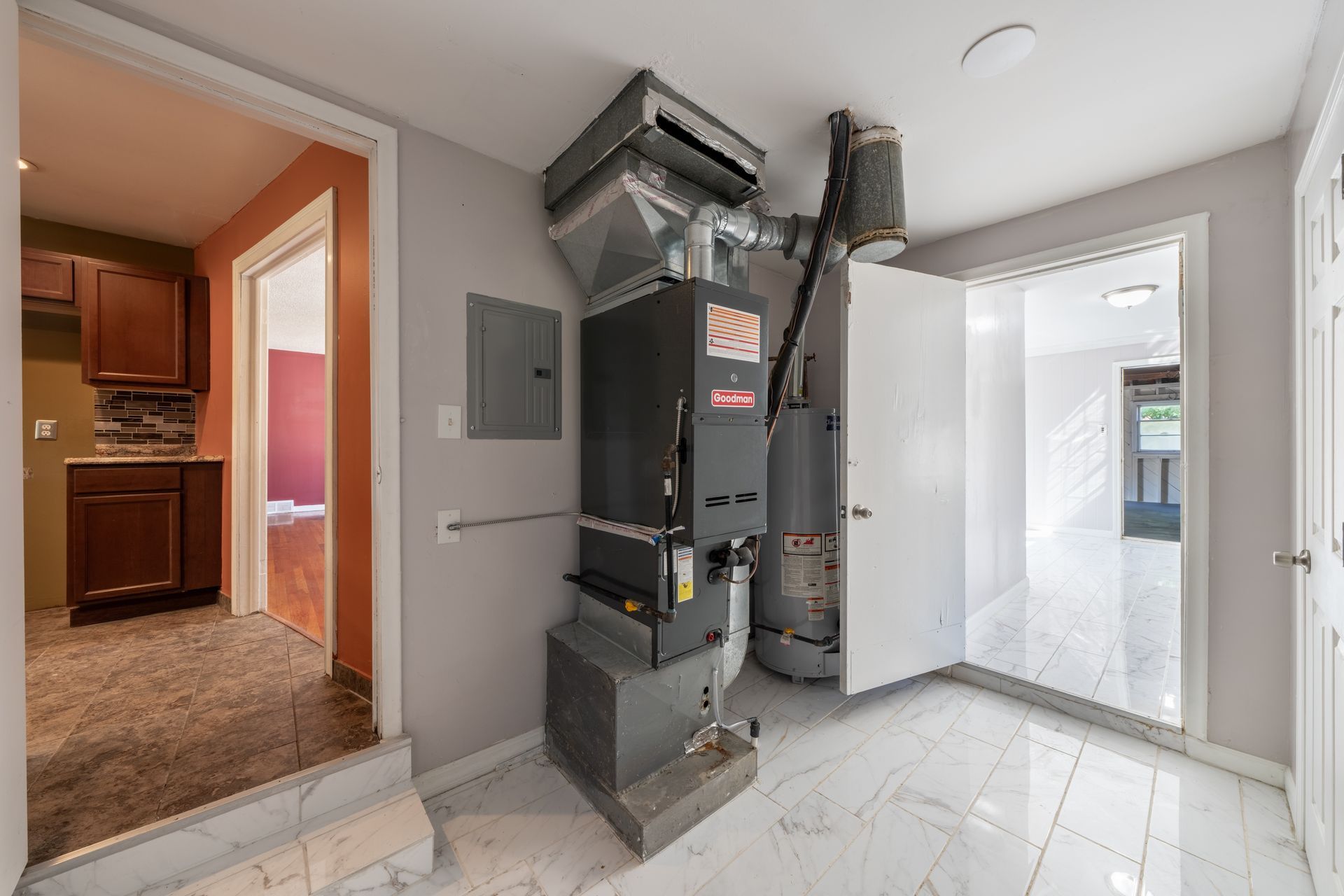
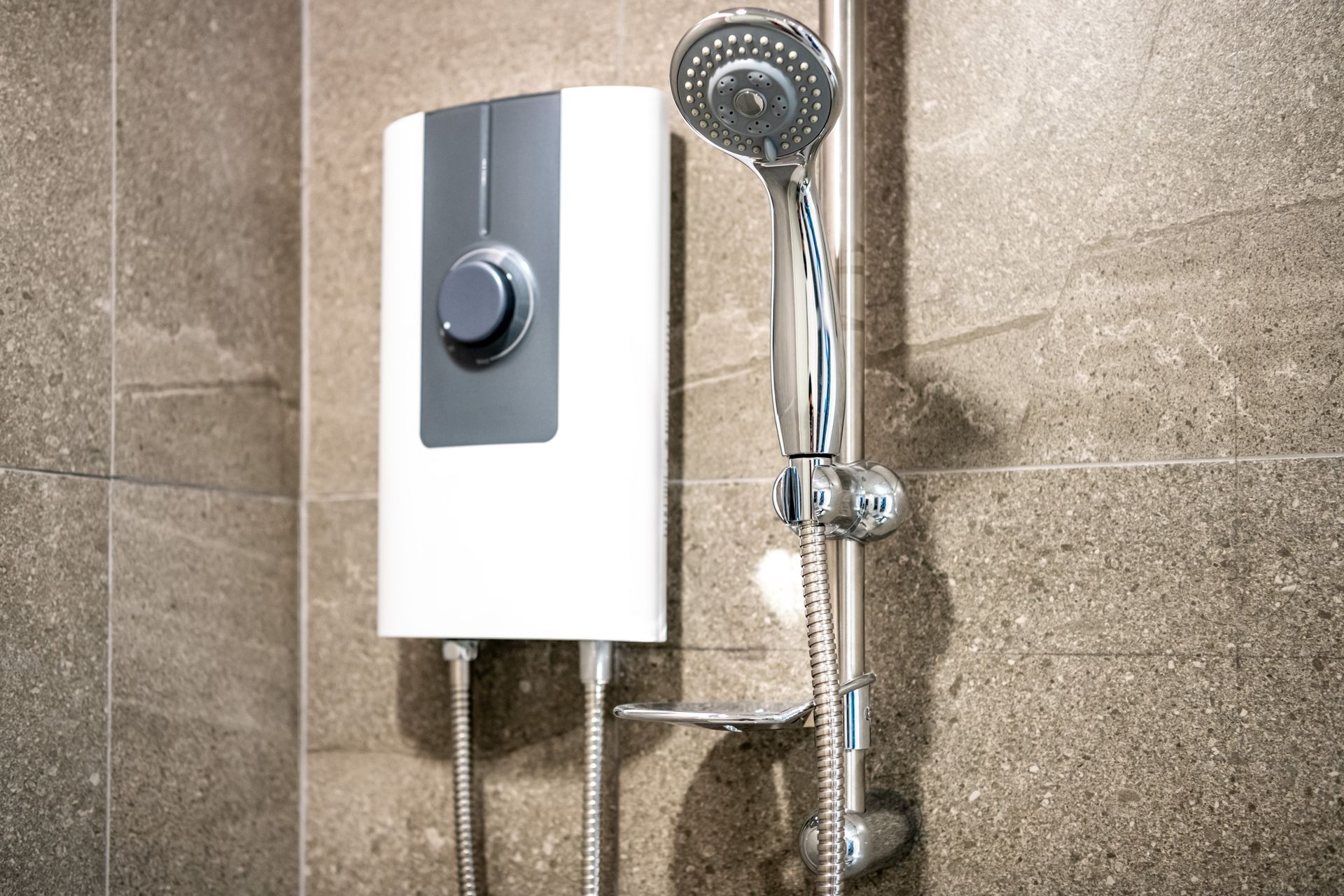
The new gas boiler takes the place of the old unit. Today's gas equipment is significantly smaller and more compact than older oil models. The technicians will mount the new unit and connect it to your existing water distribution manifold.
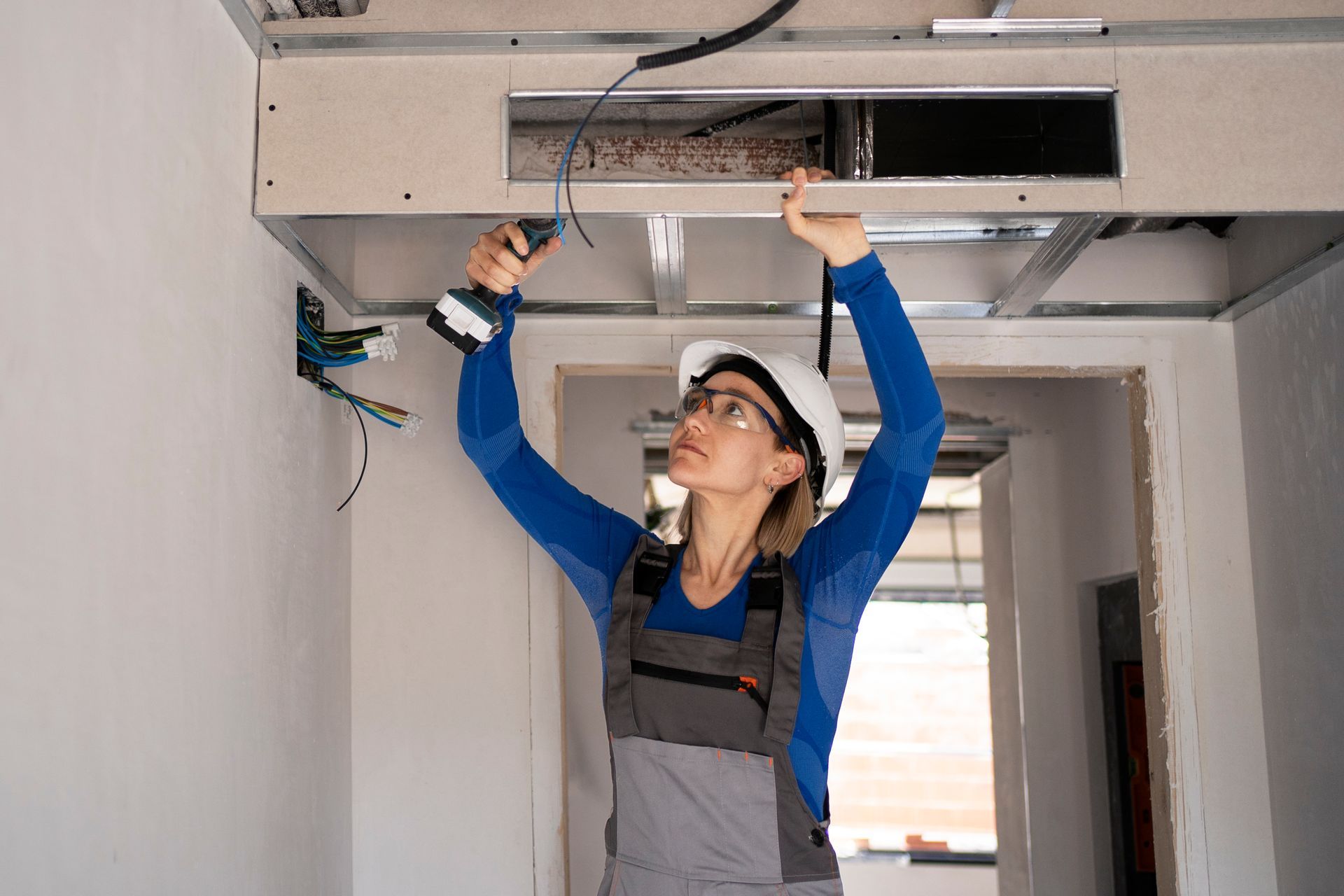
Working with a dedicated crew ensures the transition happens without unnecessary delays or mess.
► Client Experience: Excellent service. Quick, polite and easy to work with. I am very grateful.
Having polite and efficient technicians in your basement makes a major mechanical project feel much less intrusive.
Updating The Exhaust Venting System
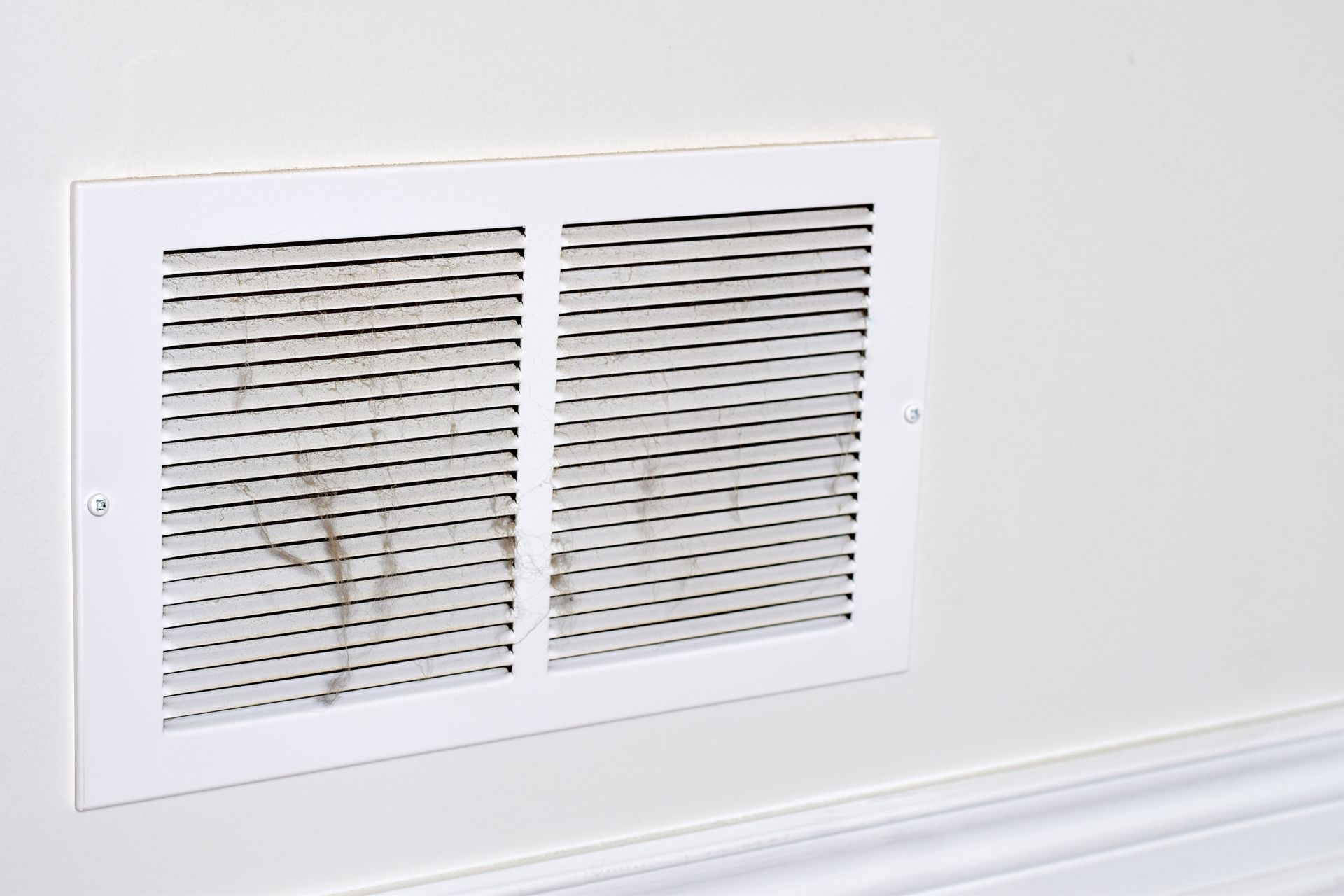
Oil boilers and gas boilers exhaust their combustion gases differently. You cannot simply hook a new gas boiler up to an old oil chimney without making modifications. A chimney liner is almost always required to protect the masonry from the moisture found in natural gas exhaust.
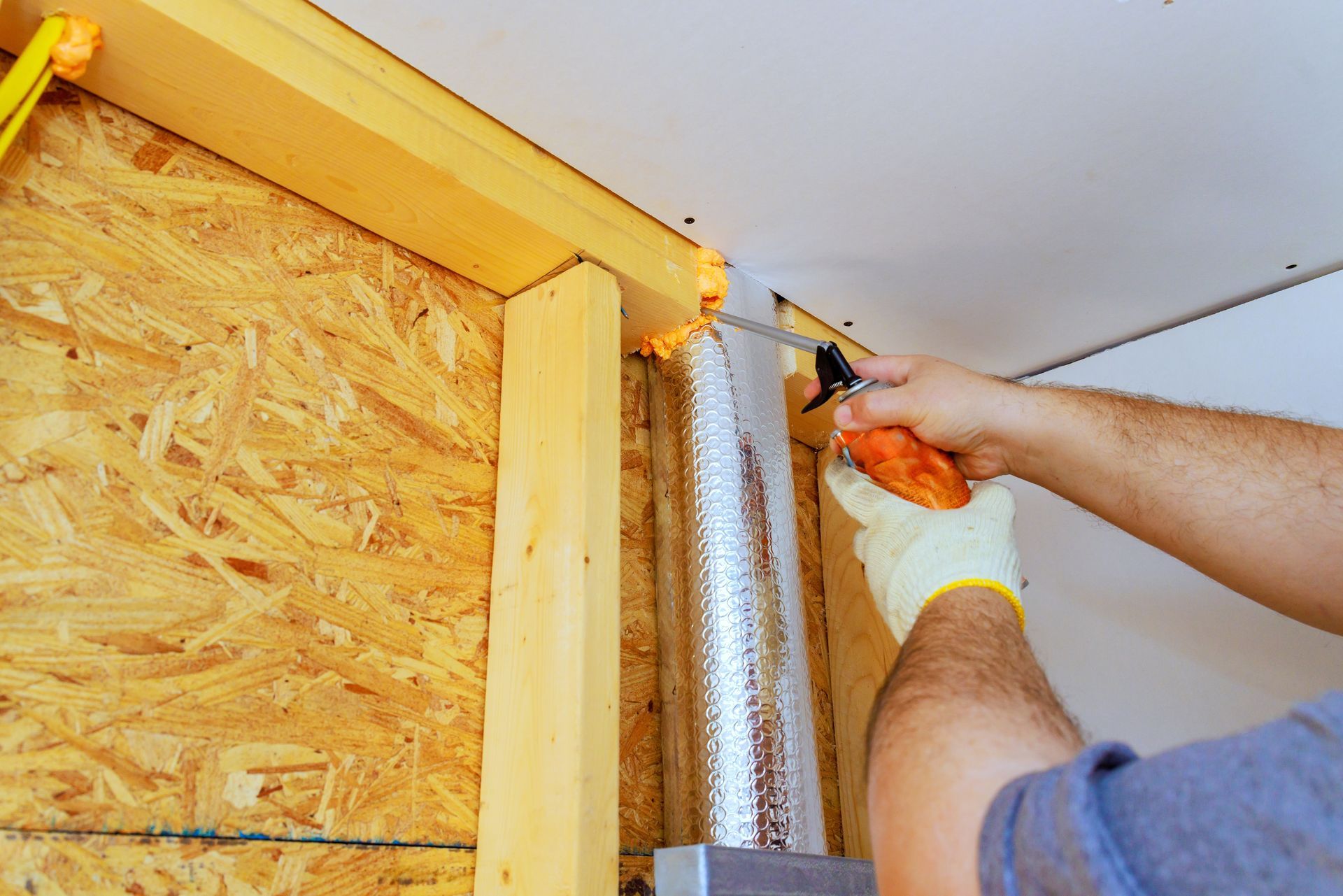
If you choose a high efficiency condensing gas boiler, the venting process changes entirely. These modern units vent directly through the side of the house using heavy PVC pipes. This method abandons the old masonry chimney completely. The side wall venting requires drilling new holes through the foundation or rim joist to push the exhaust safely outdoors.
What Stays The Same In Your Living Areas
The most common misconception about a fuel conversion is that the whole house gets torn apart. The truth is that the majority of the work stays confined to the basement. Your cast iron radiators or baseboard heaters will remain exactly where they are.
The hot water pipes running through your walls and under your floors do not need to be replaced. The new gas boiler heats the water and circulates it through the exact same distribution system you have always used. Your thermostats also generally stay in the same locations.
Planning Your Next Heating Upgrade
Switching from oil to gas cleans up your basement and removes the need to schedule winter fuel deliveries. The physical changes are significant in the mechanical room but leave your living spaces completely undisturbed. Contact our team to evaluate your current setup and walk through the exact steps required to upgrade your property.
Share This Blog