What To Check Before Booking A Heat Pump Install In MA
Modern Heating & A/C • September 2, 2026
Upgrading your home heating and cooling system is a major financial decision that requires careful planning. Many property owners in western Massachusetts rush to buy a new unit without evaluating if their house is actually ready for the change. At Modern Heating & A/C, we see the frustration that happens when an expensive piece of equipment underperforms because basic home infrastructure was ignored. Taking the time to assess your property beforehand ensures your new system works as intended.
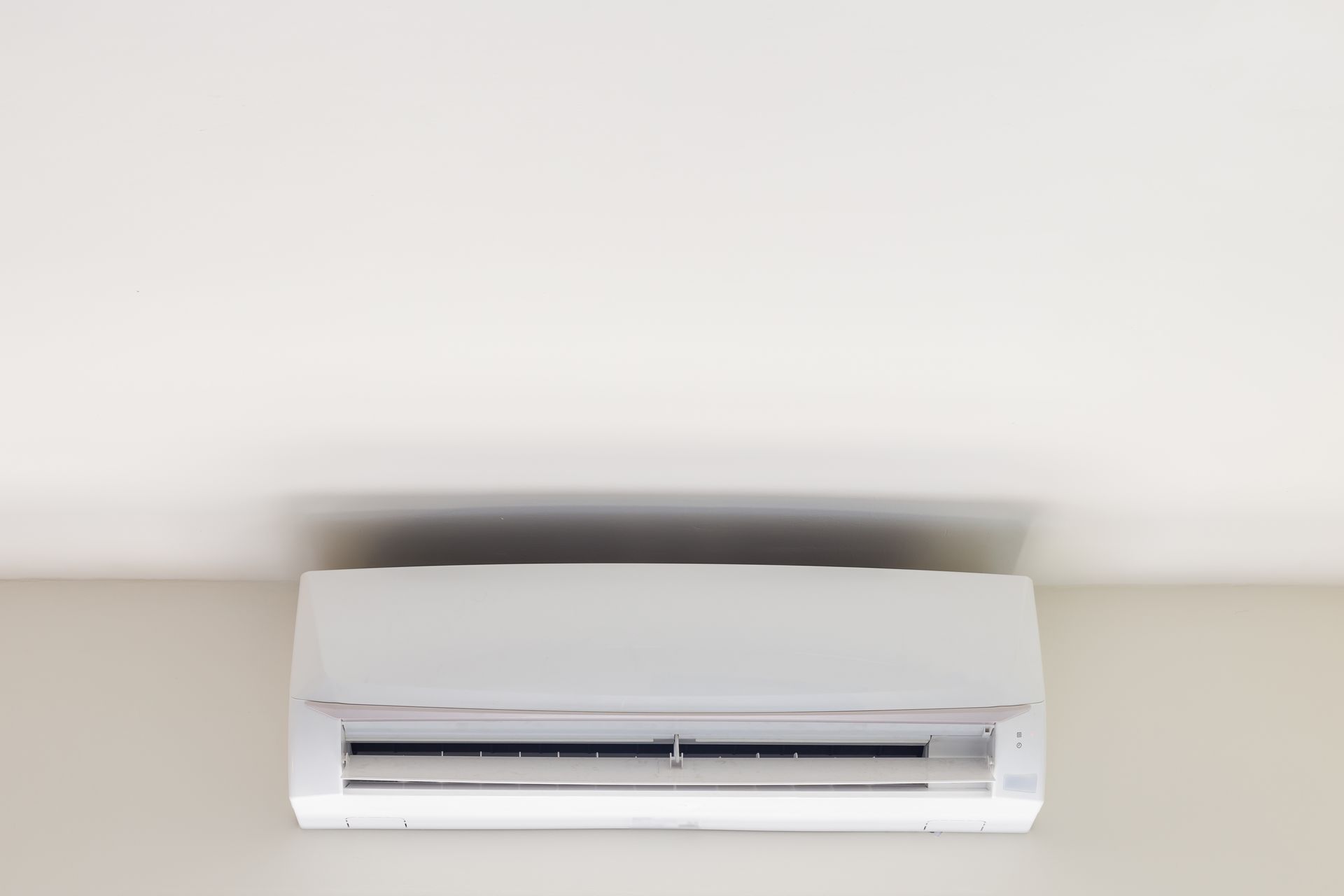
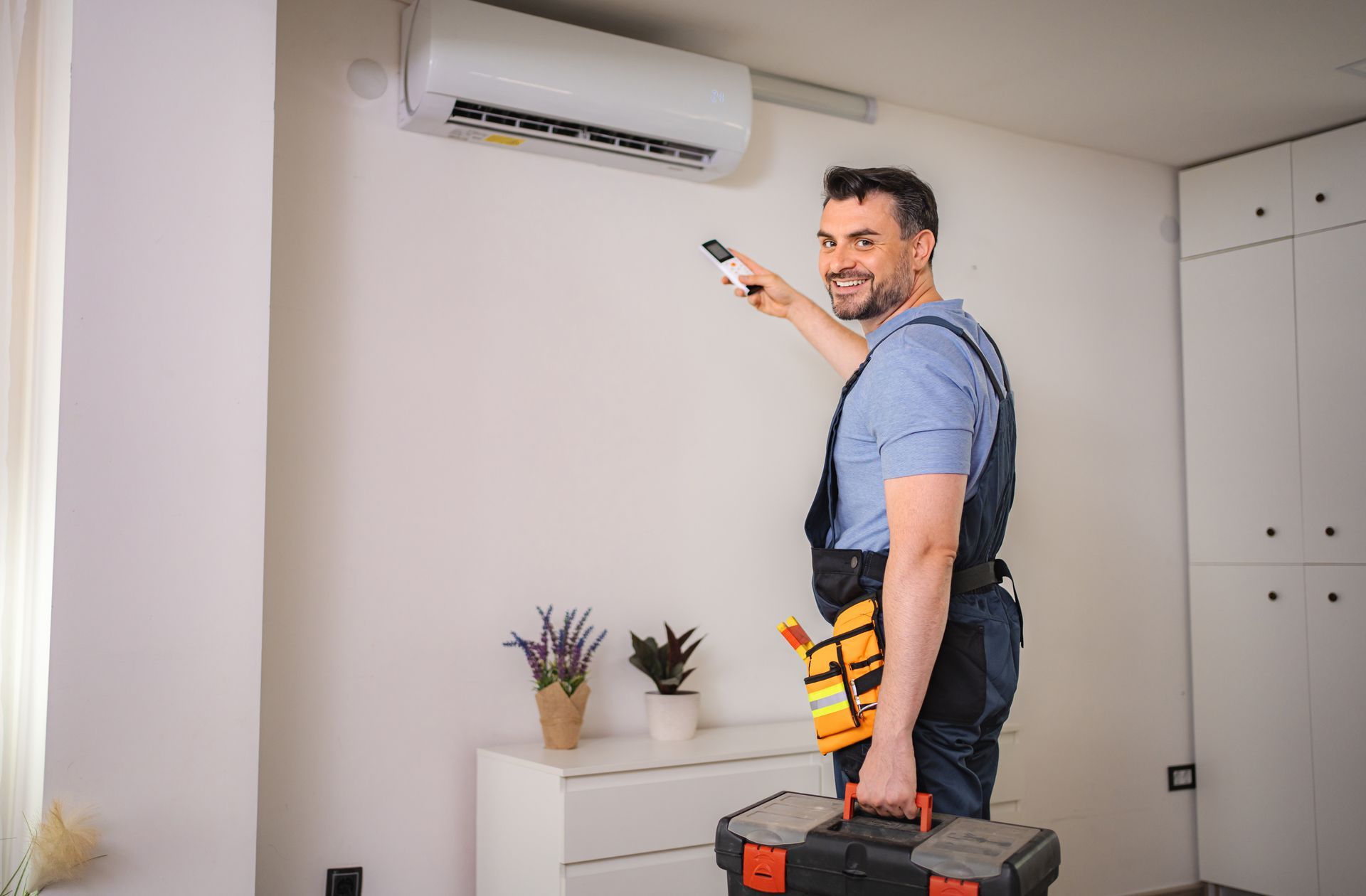
A successful upgrade depends heavily on the physical condition of your existing house. You want to make sure your electrical panel, duct lines, and wall insulation can handle the unique demands of modern equipment. Knowing exactly what to review before you sign a contract prevents unexpected delays and surprise costs. We have outlined the critical steps every homeowner should take before committing to a heat pump installation.
Things To Consider Before Installation:
- Property Insulation and Electrical Readiness
- Reviewing Your Existing Ductwork Condition
- Red Flags to Watch for When Evaluating Providers
- Essential Questions to Ask Before Hiring
- Plan Your Home Upgrade With Confidence
Property Insulation and Electrical Readiness
Many older homes in the Springfield area still have their original electrical panels and minimal wall insulation. Heat pumps rely on a consistent, slow delivery of air to maintain comfort, which means a drafty house will cause the unit to run constantly.
What are the requirements for installing a heat pump?
To get the best performance out of your new system, your home needs to meet a few specific baseline conditions.
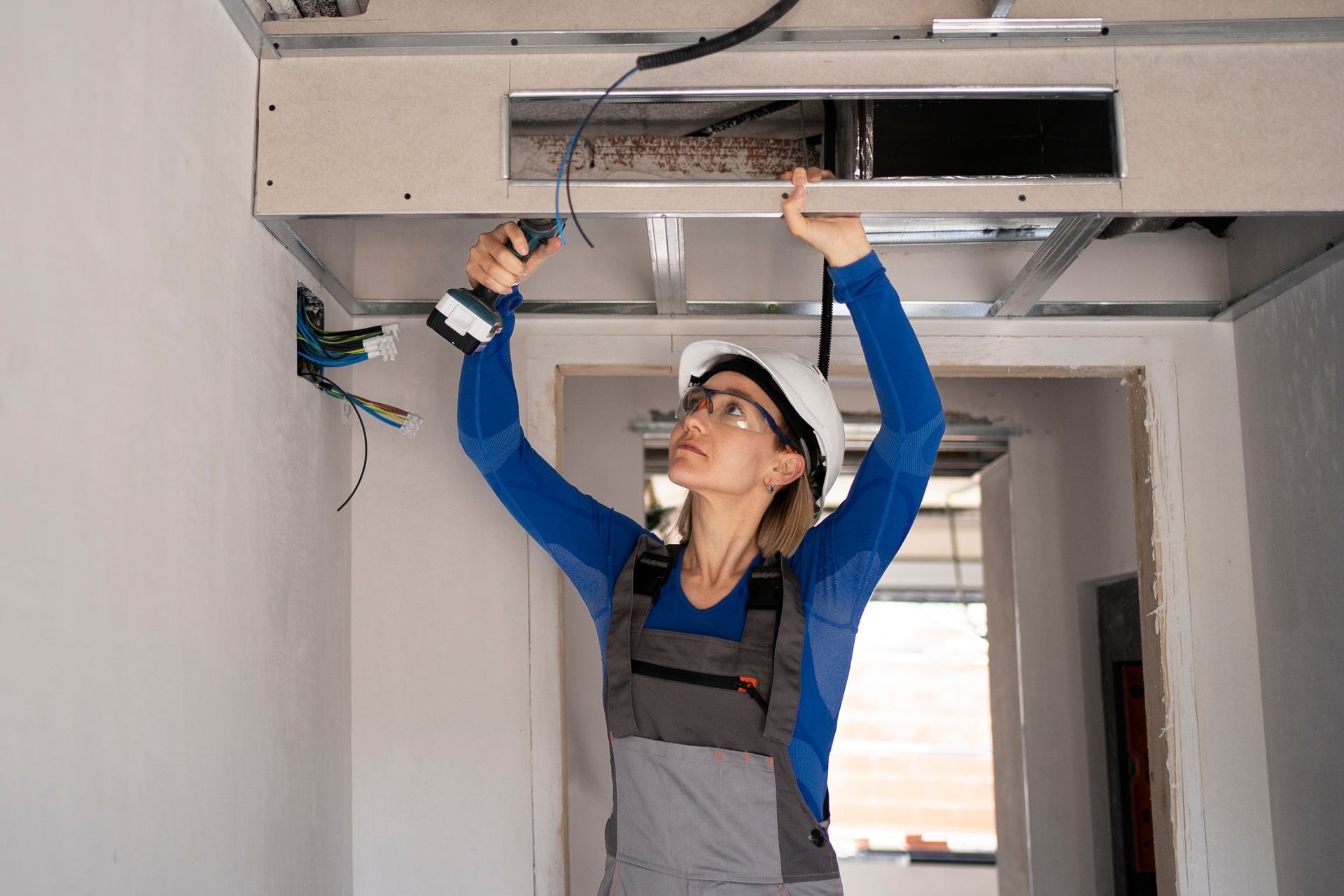
• Electrical Capacity: Most modern systems require a dedicated electrical panel upgrade to handle the initial startup surge safely without tripping breakers.
• Thermal Boundary: Your attic and exterior walls must have adequate fiberglass or foam board insulation to trap the conditioned air inside the living areas.
• Precise Sizing: A professional contractor must perform a manual heat load calculation based on your exact square footage and window layout to select the right unit.
Reviewing Your Existing Ductwork Condition
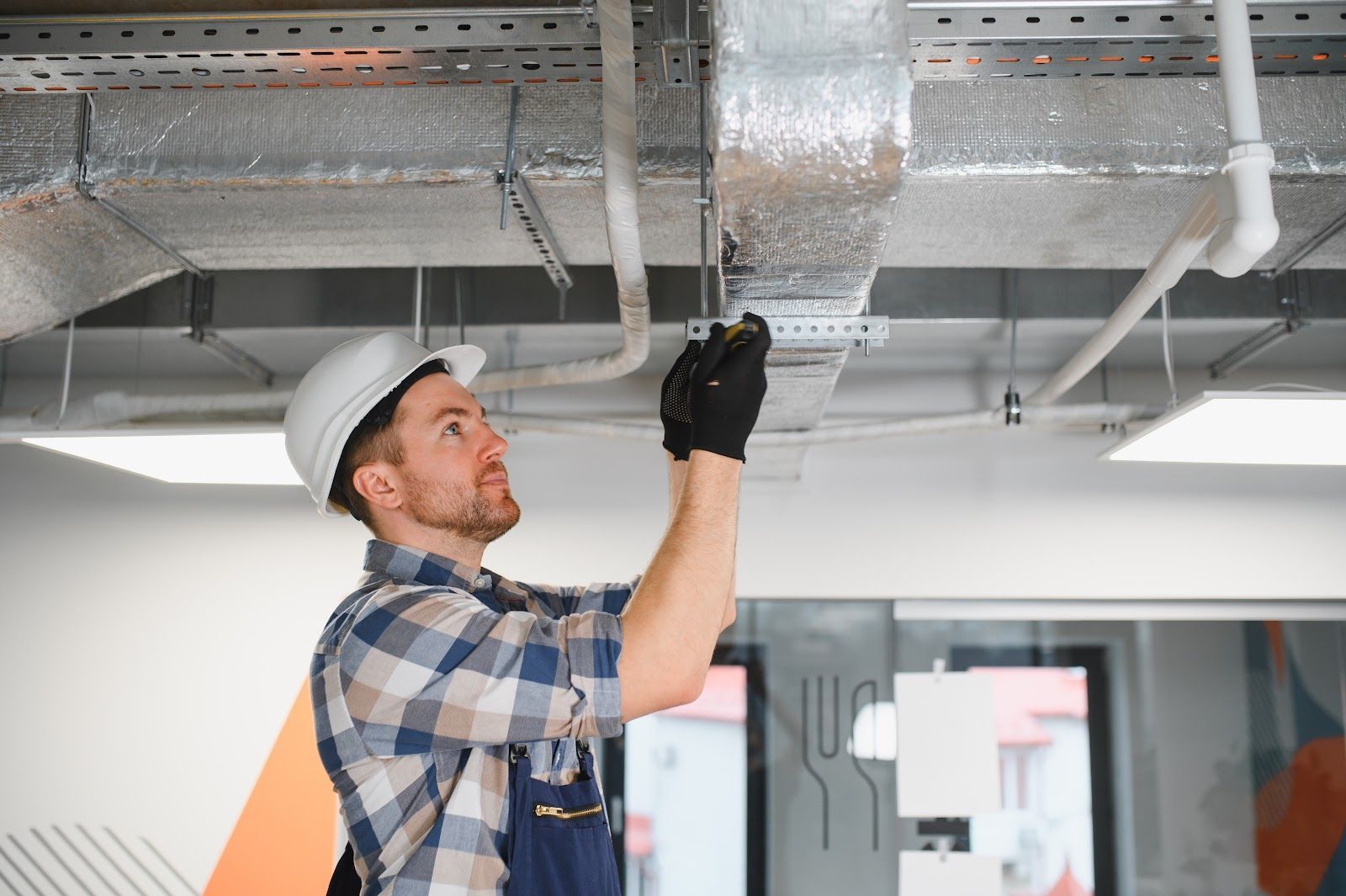
If you are planning to connect a new central heat pump to the metal pipes already in your home, those lines need to be inspected first. Old ventilation systems frequently have broken seals or crushed sections that choke the airflow. Putting a high-performance blower on a damaged duct system will drastically reduce your energy savings and wear out the motor prematurely.
• Leak Detection: Technicians need to check for separated joints where conditioned air escapes into your crawlspace or attic.
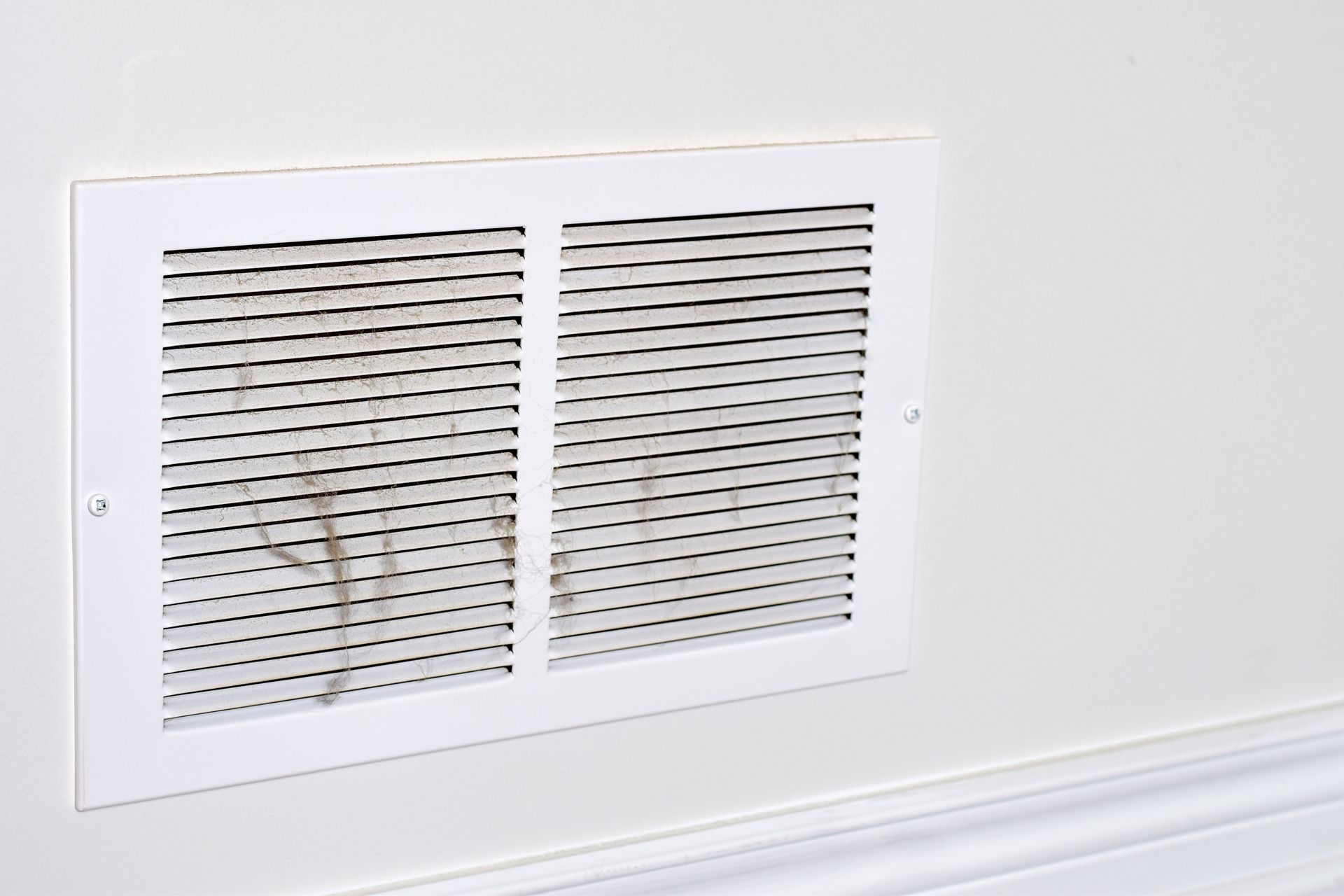
• Airflow Restrictions: Dust buildup and crushed flexible tubing must be addressed through professional ductwork services before a new unit is attached.
• Sizing Compatibility: Some older furnace ducts are physically too narrow to handle the volume of air required by modern variable-speed air handlers.
Red Flags to Watch for When Evaluating Providers
The HVAC industry has strict standards for sizing and installing mechanical equipment safely. Unfortunately, some high-volume companies cut corners to finish jobs faster. Knowing the warning signs of a rushed contractor helps you avoid poor workmanship that voids your manufacturer warranty.
• Skipping Load Calculations: Be very cautious if a company quotes a system size based purely on your total square footage without measuring your windows or checking your insulation.
• Ignoring Existing Infrastructure: A reliable technician will always inspect your current breaker box and air handler location before recommending a specific model.
• Pushing Immediate Sales: High-pressure tactics designed to force a signature before you can compare options are a clear sign to look for another provider.
Essential Questions to Ask Before Hiring
Getting clarity from your installer upfront prevents disputes and guarantees you are getting exactly what you paid for. You need to know how the company handles local permits, manufacturer warranties, and ongoing system care.
• Permit Responsibilities: Will your team handle all the local town permits and arrange the final municipal safety inspections required in our state?
• Warranty Coverage: Do you provide a distinct labor guarantee for the installation in addition to the standard parts warranty offered by the factory?
• Ongoing Support: Who handles the regular heat pump maintenance required to keep the system running efficiently year after year?
Plan Your Home Upgrade With Confidence
Asking the right questions upfront sets the foundation for a reliable and efficient home climate system. Making sure your property is fully prepared protects your investment and ensures your new equipment operates smoothly for decades. Contact our local team to schedule a thorough property assessment and get honest advice on your next HVAC upgrade.
Share This Blog