5 Signs Your Ductwork Is Spreading Dust Before Labor Day
Modern Heating & A/C • August 19, 2026
As the end of summer approaches, many families gear up for hosting backyard gatherings and indoor dinners around Labor Day weekend. However, turning on your air conditioning can unexpectedly fill your living areas with a fine layer of gray debris, ruining your cleaning efforts. At Modern Heating & A/C, we know that heavy indoor dust is rarely a reflection of your housekeeping habits. Instead, it is an indicator that your home ventilation system has developed structural leaks that pull dirty air from unconditioned areas.
When air vents break open behind your walls or inside crawlspaces, they create a suction effect that drags in insulation fibers and outdoor allergens. Learning to identify the early physical warnings of ventilation failure allows you to protect your household health and lower your monthly operating expenses. Reviewing these expert observations will help you determine when it is time to schedule professional duct repair to secure your indoor air quality.
In This Article:
- Tip #1: Check the Condition of Register Boot Seals
- Tip #2: Monitor Rapid Dust Accumulation on Dark Surfaces
- Tip #3: Look for Discolored Fiberglass Insulation in the Attic
- Tip #4: Check for Pressure Imbalances and Uneven Room Temperatures
- Tip #5: Watch for High Utility Costs from Return Air Infiltration
- Frequently Asked Questions
- Schedule Your Ventilation Evaluation
Tip #1: Check the Condition of Register Boot Seals
The connection points where your metal ductwork meets your floor or ceiling grates are highly vulnerable to leaks. Over time, original builder tape dries out and loses its bond, leaving gaps that pull dirty air straight into your rooms from surrounding wall cavities.
• Visual Gap Check: Look closely around the edges of the metal register boot beneath the grill for visible separation from the sheetrock.
• Dark Vent Streaks: Watch for dark lines of fine soot appearing on the ceiling or carpet adjacent to supply vents.
• Mastic Degradation: Check if the gray sealant at the joint has turned brittle or powdery.
Tip #2: Monitor Rapid Dust Accumulation on Dark Surfaces
If you find yourself wiping down furniture in your Westfield home just a day after a deep clean, your ventilation system is likely recirculating particulate matter. Leaky return lines draw air from dusty building cavities, blowing it directly across your living areas.
• Static Electrical Attraction: Heavy gray dust that accumulates on dark television screens and electronic equipment within hours of cleaning.
• Floating Particles: Noticeable light-reflective fibers floating through sunbeams near your active central air systems.
• Accelerated Filter Loading: System air filters that become completely choked with dark gray debris within less than three weeks.
Tip #3: Look for Discolored Fiberglass Insulation in the Attic
This is a specific piece of trade knowledge that standard online tutorials rarely mention. When standard pink fiberglass insulation sits directly over a leaky metal duct joint, the insulation fibers act as a giant filter, trapping dark grime as air forces its way out.
• Charcoal Grime Staining: Look for distinct black or dark gray discoloration patches on the pink fiberglass blankets wrapping your attic pipes.
• Jet Separation Zones: Sections of insulation jacket that appear physically blown open or pushed completely away from the metal pipe.
• External Pipe Condensation: Wet spots on the attic insulation blanket indicating that cool air is leaking out and mixing with humid air.
Tip #4: Check for Pressure Imbalances and Uneven Room Temperatures
When duct lines break open in a crawlspace, a massive volume of cooled air escapes before it ever reaches your upstairs bedrooms. This loss of airflow causes specific rooms to feel stuffy while areas closest to the thermostat stay cold.
• Ghost Door Movements: Internal bedroom doors that slowly swing shut on their own when the central air system clicks on.
• Isolated Heat Zones: Specific bedrooms or offices that remain up to five degrees warmer than the rest of the property.
• Extended System Cycles: A cooling system that operates continuously for hours because the loss of air prevents the home from hitting its target temperature.
Tip #5: Watch for High Utility Costs from Return Air Infiltration
When return ventilation lines pull air from an unconditioned basement, they introduce air that is significantly warmer and more humid. This forces your air conditioning system to expend twice as much energy to reach a comfortable temperature.
• Unexplained Bill Spikes: Monthly cooling expenses that rise significantly compared to the exact same calendar period from the previous year.
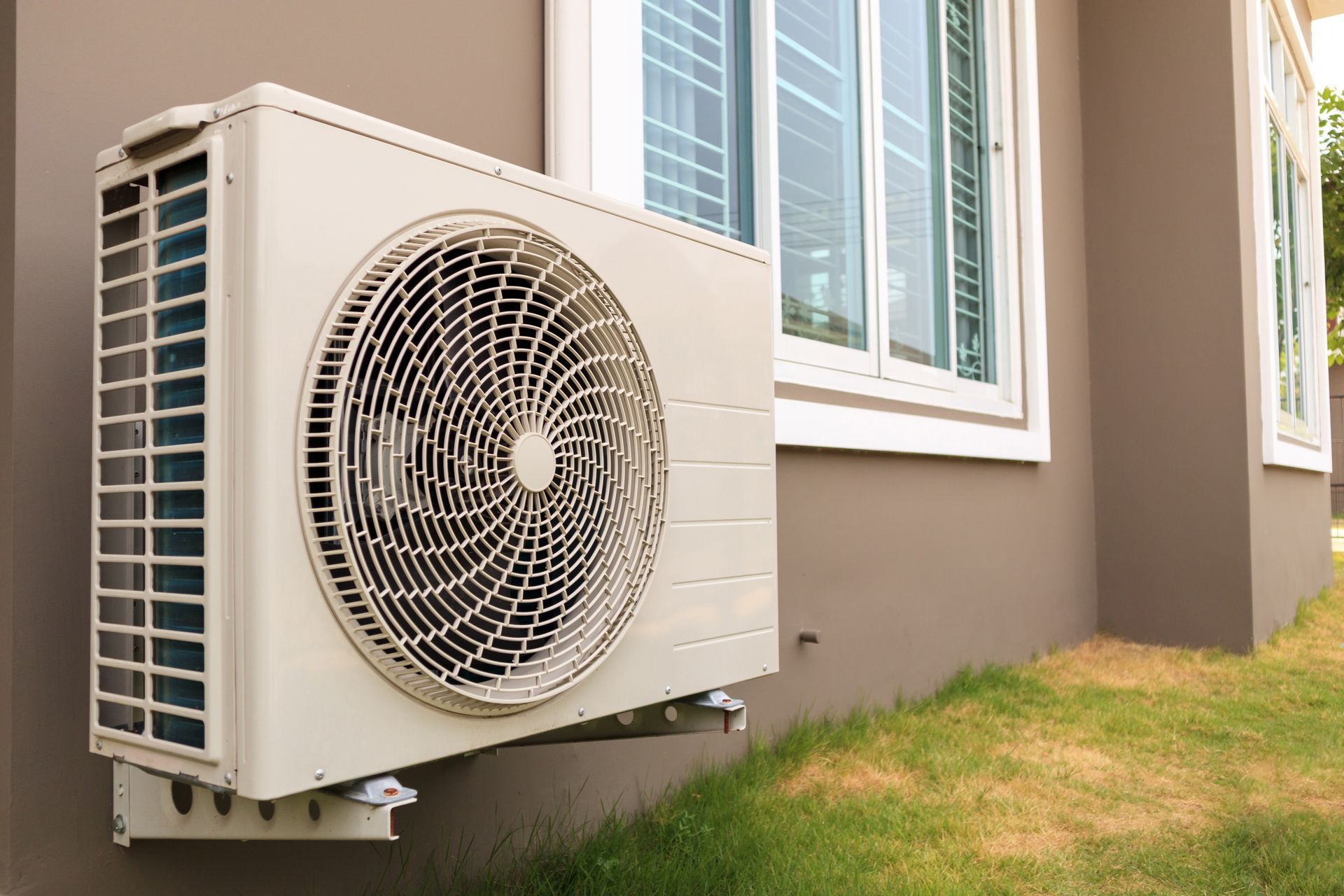
• Continuous Compressor Wear: The outdoor condenser unit operating for thirty minutes or longer without cycling down to rest.
Frequently Asked Questions
How much does ductwork inspection cost?
The total cost for a professional evaluation depends on the overall size of your property and the accessibility of your ventilation lines. A standard evaluation involves pressure testing and visual checks through attic spaces or crawlspaces to pinpoint exactly where air loss occurs. Investing in this professional diagnostic step prevents you from wasting money on unnecessary cleaning services that fail to fix the root mechanical issue.
Can leaky ducts cause excessive dust?
Yes, unsealed ventilation joints are a primary source of indoor air pollution because they create a vacuum that pulls fine particles out of floor cavities, walls, and attics. Every time your system cycles on, it distributes these accumulated materials throughout your entire property. Professional duct repair seals these entry points completely, ensuring that only clean, filtered air cycles through your living spaces.
How do I know if my ductwork needs replacing?
Ductwork typically requires replacement when the physical material suffers from severe structural collapse, extensive rust, or widespread mold growth. If your system consists of old, uninsulated flexible ducting that has been crushed or chewed by pests, sealing it is no longer a viable option. A qualified professional can evaluate whether targeted patches are sufficient or if installing new metal fabrication ductwork is the better long-term choice for your home.
Schedule Your Ventilation Evaluation
Addressing small cracks and disconnected ventilation joints now protects your heating and cooling equipment from premature mechanical wear. Taking care of these hidden leaks ensures a clean, comfortable environment for your upcoming family gatherings. Reach out to Modern Heating & A/C today to set up a thorough ventilation inspection and repair service for your property.
Share This Blog