Crack Risks: Why Heat Exchangers Fail During Cold Snaps
Modern Heating & A/C • October 20, 2026
The transition from cool autumn days to sudden freezing night temperatures places a massive mechanical burden on local forced-air heating systems. When a furnace is suddenly forced to run for hours without a break, the internal metal panels expand to their absolute physical limits. At Modern Heating & A/C, we emphasize that older heating units are highly vulnerable to structural failures during these initial autumn cold snaps. Ensuring your system is clean and structurally sound before these temperature drops occur is vital for protecting your household.
A cracked heat exchanger is one of the most serious mechanical failures a homeowner can encounter during the heating season. This component separates the dangerous combustion exhaust gases from the clean air circulating through your living spaces. If the metal walls split due to rust or thermal fatigue, your system can begin venting carbon monoxide directly into your home. Following a strict sequence of preparatory actions allows you to verify your system safety before freezing weather locks up contractor availability.
Sequential Action Steps For Furnace Safety:
- Stage 1: Assess Your Heating System Infrastructure
- Stage 2: Schedule Critical Visual Inspections
- Stage 3: Protect Your Property From Sudden Failures
- Frequently Asked Questions
- Secure Your Seasonal Heating Inspection
Stage 1: Assess Your Heating System Infrastructure
Before the first severe frost hits towns like Ludlow, you need to verify that your furnace has the basic clean airflow required to prevent internal overheating. Restricted airflow is the primary driver of cracked metal components because it traps intense heat inside the main burner box.
• Air Filter Replacement: Remove the old pleated filter and slide in a fresh, low-restriction replacement to ensure maximum volumetric airflow across the hot metal surfaces.
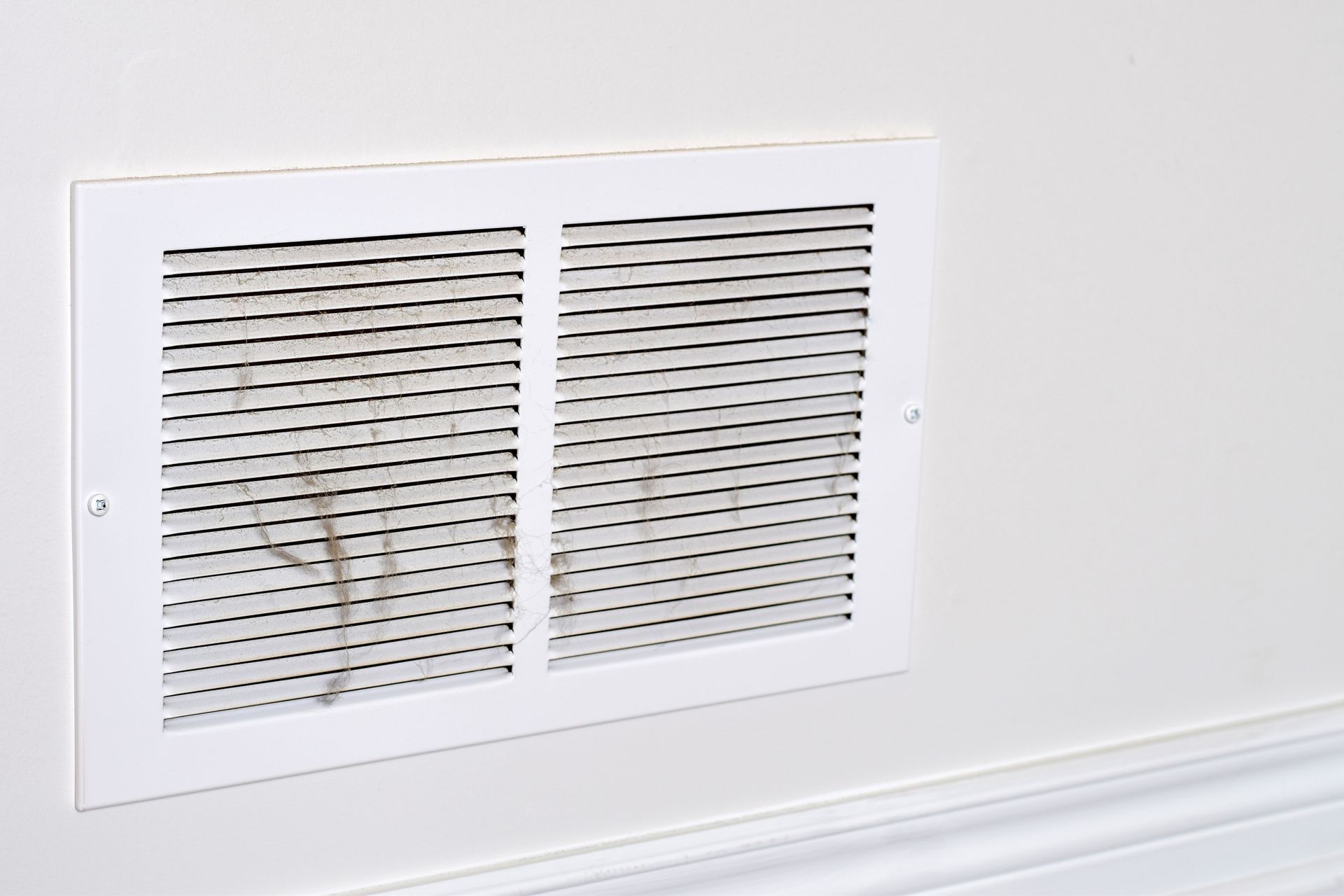
• Return Register Clearing: Walk through your rooms to ensure that heavy furniture, area rugs, or seasonal storage items are not blocking any large air return grilles.
• Exterior Vent Clearing: Check the plastic intake and exhaust pipes on the side of your home to remove any dry autumn leaves, bird nests, or debris blockages.
Stage 2: Schedule Critical Visual Inspections
Once your airflow pathways are completely clear, you must examine the physical exterior of your heating appliance for signs of advanced age and material degradation. Catching these structural flaws early allows you to arrange a planned furnace installation rather than dealing with an emergency replacement in a freezing house.
• Burner Corridor Corrosion: Examine the metal around the burners for heavy accumulations of loose, flaky rust or white chemical powder deposits.
• Slower Blower Startups: Listen closely when the thermostat clicks on to note if the blower motor hums loudly or struggles to reach full operational speed.
• Discolored Burner Access Panels: Inspect the exterior sheet metal jacket directly surrounding the viewing window for black soot stains or heat discoloration.
► A restricted heat exchanger will cause the main burner flames to dance and roll out of the combustion box when the indoor blower fan kicks on, creating an immediate fire hazard.
Stage 3: Protect Your Property From Sudden Failures
The final stage of fall preparation involves establishing professional safety baselines to protect your family from invisible operational hazards. These steps ensure that your system runs reliably without putting your household at risk of toxic exhaust exposure.
• Carbon Monoxide Alarm Testing: Install fresh lithium batteries in all wall-mounted gas detectors and verify that every unit is well within its five-year operational lifespan.
• Professional Heat Exchanger Cleaning: Book an expert technician to remove soot insulation blankets from the internal metal fins to ensure proper heat conduction.
• Flame Sensor Maintenance: Have a professional polish the delicate flame rectification rod to prevent unexpected night-time system lockouts during cold snaps.
Frequently Asked Questions
What are the signs of a cracked heat exchanger?
The most common physical sign of a split heat exchanger is a noticeable change in the appearance of the burner flame when the main indoor blower turns on. If the blue flame begins to flicker violently, turn yellow, or jump backward out of the burner tube, air is leaking through a crack in the metal chamber. You might also notice a strong, pungent chemical odor that resembles formaldehyde lingering near your supply registers.
Can a dirty heat exchanger cause dangerous leaks?
Yes, heavy accumulations of soot and moisture act as an insulating blanket that accelerates chemical corrosion along the welded seams of the metal chamber. Over time, this localized corrosion eats through the steel walls, creating micro-cracks that expand rapidly whenever the furnace gets hot. Regular Heat Exchanger Cleaning removes these acidic soot deposits, preventing the metal from pitting and splitting prematurely.
How often should a furnace heat exchanger be inspected?
You should have your furnace heat exchanger visually inspected by a trained professional at least once a year, preferably right before the autumn heating season begins. Technicians utilize specialized flexible camera scopes and smoke tests to spot hairline fractures that are completely invisible to the naked eye. This annual checkup is a standard requirement for maintaining your manufacturer parts warranty and ensuring your system meets local safety codes.
Secure Your Seasonal Heating Inspection
Verifying the structural integrity of your heating equipment before the ground freezes prevents unexpected system failures and protects your household from hidden carbon monoxide hazards. Taking a few simple preparatory steps today gives you total peace of mind when the winter cold arrives. Reach out to Modern Heating & A/C today to arrange a detailed visual inspection and tune-up with our local service specialists.
Share This Blog